
Here’s what happens in a typical check-up, how to prepare, and how to keep your teeth healthy between visits with minimal effort.
What a 45-minute check-up covers
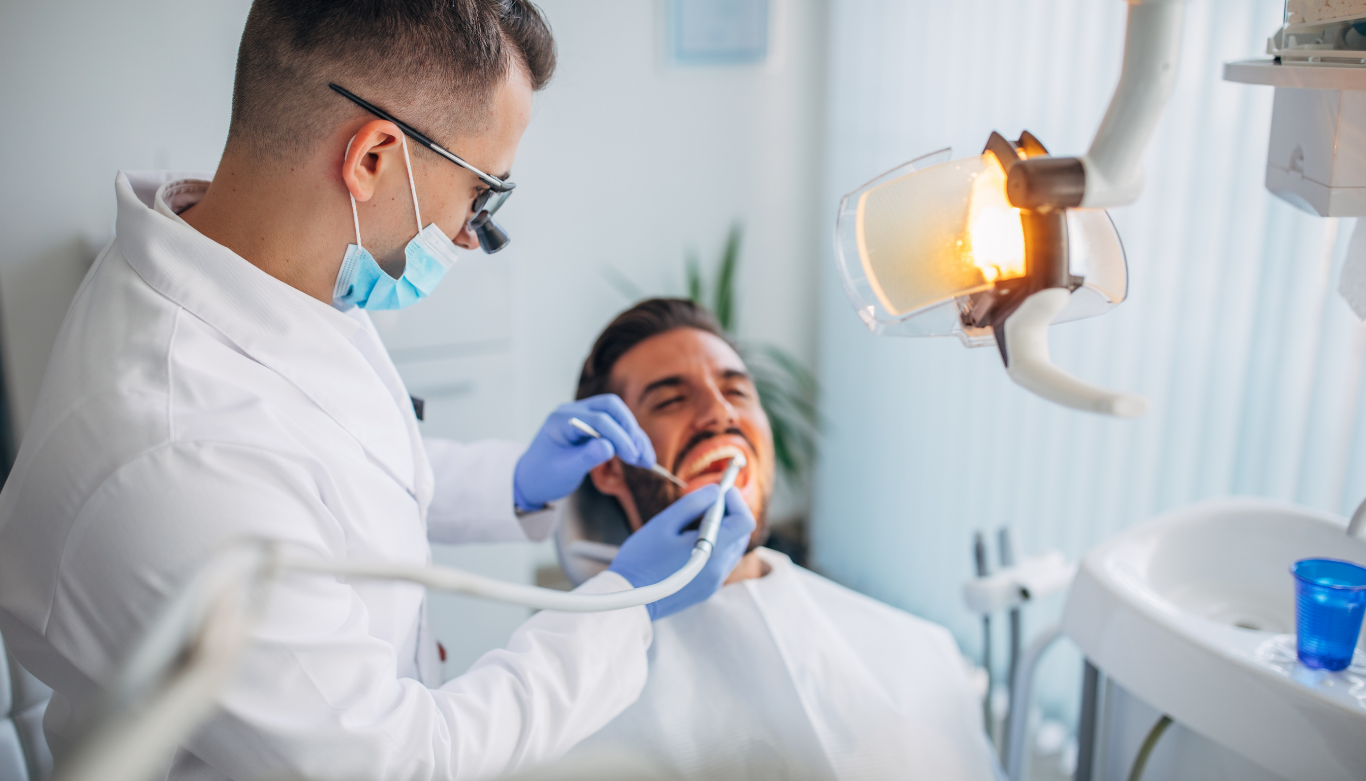
A standard appointment usually combines an examination and a professional clean. We check each tooth for decay, cracks and failing fillings, assess your gums for signs of disease, screen the soft tissues for anything unusual (including an oral cancer check), and review your bite and any wear. The hygiene part removes hardened plaque and stain that brushing can’t shift, above and below the gum line, and finishes with a polish. If needed, we take low-dose x-rays to see between teeth and below the gums.
How to prepare and save time
- Note any niggles — a sensitive tooth, a spot that catches food, jaw clicking
- Bring a list of your current medications and any health changes
- Have your health-fund card ready so we can process any rebate on the spot
- Mention if you grind, snore, or have new sensitivity
- Flag anything cosmetic you’re considering, so we can advise efficiently
Speak up about your goals
A check-up isn’t only about finding problems — it’s your chance to raise what matters to you. Whether that’s whitening before an event, sorting a tooth that’s bothered you for months, or simply understanding your risk areas, telling us upfront means we can give focused advice and a clear plan in the time available. The more we know about your priorities and history, the more useful the appointment is.
Why regular beats reactive
Decay and gum disease usually cause no pain until they’re advanced, so by the time a tooth hurts, the problem (and the treatment) is often bigger. Regular check-ups catch these early, when a small filling or a clean is all that’s needed, rather than a root canal, crown or extraction later. For a busy person, prevention is simply the most time-efficient strategy — a short visit now versus several long ones (and pain) later.
Setting the right recall interval
Six months is a common default, but the right interval is personal. If you have a low decay and gum-disease risk, we might extend it; if you’re higher risk — perhaps due to grinding, dry mouth, gum issues or diet — more frequent visits protect you better. We’ll recommend a schedule based on your mouth, so you’re not coming in more (or less) than you need to.
Low-effort habits between visits
You don’t need an elaborate routine — just a consistent one. Brush twice a day for two minutes with fluoride toothpaste, clean between your teeth once a day, and don’t rinse the toothpaste away after brushing. An electric brush with a timer makes thorough brushing almost automatic for busy mornings. These few minutes a day, plus your regular check-up, keep most problems away with very little time invested.
Book a check-up
Booking ahead — even scheduling your next visit as you leave — is the easiest way to stay on track when life is busy. We offer efficient, on-time appointments for working adults across Winmalee, Springwood, Lawson and the Blue Mountains. Book online at a time that suits and we’ll make the most of it.
FAQs
How often should adults have a dental check-up?
What happens during a dental check-up?
How long does a check-up and clean take?
How should I prepare for my appointment?
Do I really need check-ups if nothing hurts?
Will I need x-rays at every visit?
Can I get a cleaning and check-up in one visit?
Can I book outside of work hours?
