
A dental implant can last for decades, but only if it’s cleaned and maintained well — implants don’t decay like natural teeth, yet the gum and bone around them can become inflamed and break down if plaque is allowed to build up. The essentials are simple: clean around the implant thoroughly every day, just as you would a natural tooth, and keep up regular professional maintenance so any early problem is caught and treated. Looked after properly, your implant is a long-term investment that rewards a little daily attention.
Here’s exactly how to care for an implant, what to watch for, and why maintenance visits matter so much.
Cleaning your implant every day
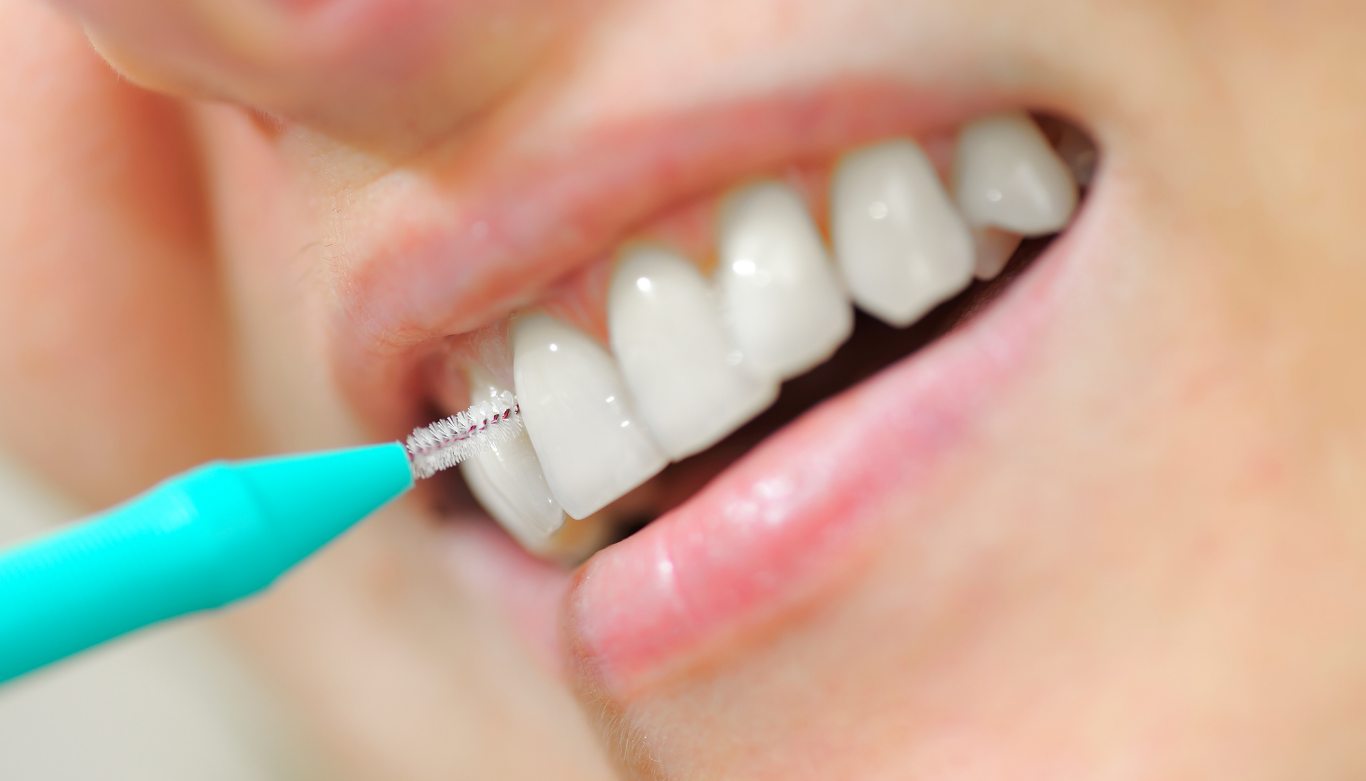
Brush twice a day, including all around the implant crown and along the gum line, with a soft brush or an electric brush. The most important and most missed step is cleaning between the implant and its neighbours daily — using floss designed for implants, floss threaders, or (often easiest) interdental brushes sized to the gap. Plaque left at the gum line is what triggers inflammation, so thorough daily cleaning there is the single biggest thing that protects your implant long term.
Understanding peri-implantitis
Implants can suffer their own version of gum disease. Peri-implant mucositis is early, reversible inflammation of the gum around the implant — red, puffy, bleeding gums — much like gingivitis. If it’s left, it can progress to peri-implantitis, where the supporting bone is lost, the implant loosens and can ultimately fail. The cause is the same as gum disease around natural teeth: plaque build-up. The reassuring part is that, caught early, it’s very manageable — which is exactly why daily cleaning and regular checks matter.
Warning signs to act on
- Red, swollen or bleeding gums around the implant
- Tenderness, discomfort or a bad taste at the implant site
- Gum receding around the crown, or the crown looking longer
- Any looseness or movement of the crown or implant
- Pus, or persistent soreness when cleaning
If you notice any of these, book in promptly — early treatment of inflammation is straightforward, whereas advanced bone loss is much harder to reverse.
Your maintenance schedule
Implants need professional maintenance just like natural teeth — and sometimes more attentively. At maintenance visits we check the gum and bone health around the implant, clean it with instruments designed not to scratch the implant surface, check the crown and bite, and take x-rays periodically to monitor the bone level. Most people are seen every six months, but if you’ve had gum disease or show any inflammation, more frequent visits protect your investment. Keeping these appointments is a core part of making an implant last.
Habits that protect your implant
A few lifestyle factors strongly influence implant success. Not smoking is high on the list — smoking significantly raises the risk of peri-implantitis and implant failure. Managing conditions like diabetes supports healthy gums, and if you grind your teeth, a night guard protects both the implant crown and your natural teeth from excessive force. Avoid using your implant (or any tooth) to bite very hard objects. These habits, alongside daily cleaning, give your implant the best long-term outlook.
Implants still need the dentist
It’s a common myth that once you have an implant you can forget about it. In reality, implants need at least as much ongoing care as natural teeth, because the surrounding gum and bone need protecting. Skipping maintenance is the most common avoidable reason implants run into trouble. The daily and professional care is modest — and far easier than dealing with a failing implant.
Book a maintenance visit
Whether your implant was placed with us or elsewhere, we’re happy to look after it. Book a maintenance visit and we’ll check it thoroughly and keep it healthy for the long term. Patients across Winmalee, Springwood, Blaxland and the Blue Mountains are welcome.
FAQs
How do I clean a dental implant?
clean daily between the implant and neighbouring teeth using implant floss, floss threaders or interdental brushes. Thorough cleaning at the gum line is the key to protecting it.
Can dental implants get gum disease?
Do implants need to be cleaned by a dentist?
What are the warning signs of an implant problem?
How long do dental implants last?
Does smoking affect dental implants?
Can I get a cavity in an implant?
I had my implant done elsewhere — can you maintain it?
