
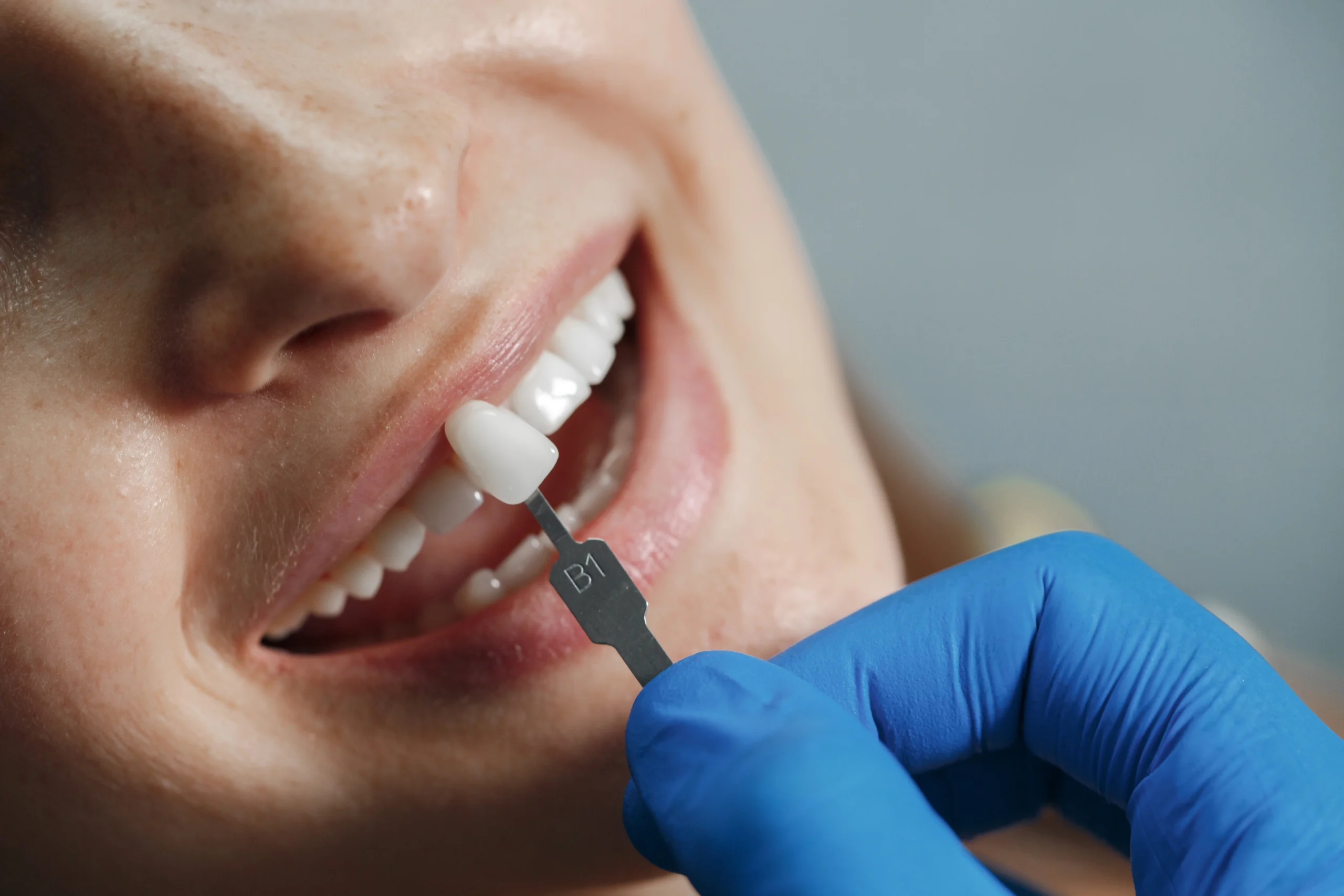
Dental veneers are thin shells usually porcelain or composite resin bonded to the front of
teeth to change their colour, shape or alignment. They suit people with chips, worn edges,
stubborn discolouration, small gaps or slightly uneven teeth who want a uniform look. They’re
not the right answer for everyone, and the most common regrets come from choosing veneers
for the wrong reason or without understanding that, for porcelain, the change is permanent.
Veneers can be a brilliant solution when they’re well planned. Here’s how to know if they suit
you, and how to avoid the pitfalls.
Dental Veneers at a Glance
If you’re looking for a quick answer, dental veneers may be a suitable option if you have healthy teeth and gums and want to improve chipped, stained, worn or slightly uneven front teeth. However, veneers are not appropriate for everyone, and porcelain veneers usually require permanent enamel preparation.
Veneers are commonly recommended for:
- Chipped or worn teeth
- Internal stains that don’t respond to whitening
- Small gaps
- Minor alignment concerns
- Uneven tooth shape
Alternative treatment may be better if you have:
- Active tooth decay
- Gum disease
- Severe crowding
- Significant bite problems
- Heavy teeth grinding without protection
What veneers can and can’t fix
Veneers excel at cosmetic concerns on otherwise healthy front teeth: enamel chips, short or
worn edges, internal stains that won’t whiten, and minor crowding or spacing. They’re a
cosmetic layer, though not a structural repair and not a substitute for orthodontics on
significantly crooked teeth. If decay, gum disease or heavy grinding is present, those need
addressing first or the veneers won’t last.
Are Veneers Right for You?
You may be a suitable candidate for veneers if your teeth and gums are healthy and your concerns are primarily cosmetic. Veneers are designed to improve the appearance of front teeth rather than treat major structural or orthodontic problems.
Alternative treatments may be recommended first if you have untreated decay, gum disease, severe crowding or a bite that places excessive pressure on the front teeth. Addressing these issues before cosmetic treatment helps improve long-term results and protects your natural teeth.
Porcelain vs composite veneers
Porcelain veneers are custom-made in a lab, highly stain-resistant and long-lasting, but usually
require some irreversible enamel reduction so they sit flush. Composite (resin) veneers are
sculpted directly onto the tooth in one visit, cost less, often need little or no enamel removal, and
are easier to repair but they’re more prone to staining and chipping over time. The best
choice depends on your goals, budget and how much tooth structure we want to preserve.
Porcelain vs Composite Veneers: Which Is Better?
Neither option is universally better—the right choice depends on your goals, budget and oral health.
| Feature | Porcelain Veneers | Composite Veneers |
|---|---|---|
| Lifespan | Longer-lasting | Shorter lifespan |
| Appearance | Highly natural | Natural but may lose polish over time |
| Stain Resistance | Excellent | More susceptible to staining |
| Tooth Preparation | Usually requires enamel reduction | Often minimal preparation |
| Repairs | Usually replaced if damaged | Easier to repair |
| Treatment Time | Multiple appointments | Often completed in one visit |
Veneers vs crowns
A veneer covers the front of a tooth; a crown covers the whole tooth. Crowns are used when a
tooth is heavily broken down, root-canal treated or needs full-coverage strength. If a tooth is
largely intact and the concern is purely how it looks, a veneer is usually the more conservative
option. We’ll only recommend the more involved treatment when the tooth genuinely needs it.
Why the Right Treatment Matters?
Although veneers and crowns can both improve the appearance of teeth, they serve different purposes. Whenever possible, preserving healthy tooth structure is the priority. If a tooth is healthy and only needs cosmetic improvement, a veneer is often the more conservative choice. If the tooth has extensive damage or requires additional strength, a crown may provide better long-term protection.
Choosing the right treatment starts with a thorough examination rather than simply selecting the cosmetic option you prefer.
Common Questions We Discuss Before Recommending Veneers
Before beginning treatment, we assess several factors that influence whether veneers are the right choice, including:
- The health of your teeth and gums
- The thickness of your enamel
- Your bite and jaw alignment
- Whether you grind or clench your teeth
- Your smile goals
- Whether a more conservative treatment could achieve the same result
Careful planning helps create a smile that not only looks natural but also functions well for years to come.
The common regrets and how to avoid them
• Going too white or too bulky: natural-looking veneers are designed to suit your face, lips
and other teeth a mock-up first prevents the ‘too perfect’ look.
• Not realising porcelain is irreversible: once enamel is reduced, the teeth will always need
coverage. Understand this before committing.
• Skipping the foundation: untreated decay, gum disease or grinding will undermine
veneers. Fix the basics first and wear a night guard if you grind.
• One veneer that doesn’t match: colour-matching a single veneer to natural teeth is hard;
sometimes whitening first or treating more teeth gives a better blend.
• Choosing on price alone: cheap, rushed work is the most common source of long-term
regret.
What the veneer process involves
For porcelain veneers, the journey usually runs across a few visits: a planning appointment with
photographs and often a mock-up; a preparation visit where a thin layer of enamel is shaped
and an impression or digital scan is taken; a period wearing temporaries while the lab crafts the
veneers; and a bonding visit where they’re fitted, checked against your bite and polished.
Composite veneers are typically built up in a single visit, sculpted and polished directly onto the
tooth. Either way, the planning done before any tooth is touched is what separates a natural
result from a disappointing one.
Aftercare is straightforward but matters. Brush and floss as normal, don’t use your front teeth as
tools to open or bite hard objects, ease off very hard or chewy foods, and wear a night guard if
you grind. Veneers can chip or stain at the edges over the years, so keeping up regular check
ups lets us polish, maintain and if needed repair them, which is far simpler than a full
replacement.
Alternatives to Dental Veneers
Veneers aren’t always the best solution. Depending on your goals, another treatment may provide a healthier, more conservative or more affordable option.
Alternatives may include professional teeth whitening for stubborn stains, dental bonding for minor chips or gaps, orthodontic treatment such as clear aligners for alignment concerns, or crowns for teeth that require additional structural support.
We’ll explain all suitable treatment options before recommending veneers so you can make an informed decision based on your oral health and long-term goals.
Planning a result you’ll be happy with
Good veneers start with a conversation about what you want to change, photographs, and often
a trial smile or mock-up so you can preview the shape and shade before anything is altered. We
assess your bite, gums and enamel, discuss porcelain versus composite honestly, and put the
plan and costs in writing. Patients across Winmalee and the Blue Mountains who take this
measured approach are far happier than those who rush.
If you’re considering veneers, book a cosmetic consult. You’ll get a realistic view of whether they
suit you, what’s involved, and the alternatives worth considering first.
Key Takeaways
- Dental veneers improve the colour, shape and appearance of front teeth.
- Porcelain veneers are durable and stain resistant but usually require permanent enamel preparation.
- Composite veneers preserve more natural tooth structure but generally have a shorter lifespan.
- Healthy teeth and gums are essential before veneer treatment.
- A personalised treatment plan helps create natural-looking, long-lasting results.
- Alternative treatments such as whitening, bonding or orthodontics may be more appropriate for some patients.
Q: How long do veneers last?
A: Porcelain veneers often last many years with good care; composite veneers generally have a
shorter lifespan but are easier to repair. Longevity depends on your bite, habits like grinding,
and oral hygiene.
Q: Do veneers ruin your teeth?
A: Porcelain veneers usually involve some irreversible enamel reduction, so the teeth will
always need coverage afterwards. Composite veneers are more conservative. We discuss the
trade-offs fully before you decide.
Q: Are veneers better than whitening?
A: They solve different problems. If your teeth are healthy and well-aligned but discoloured,
whitening may be all you need. Veneers address shape, chips and alignment as well as colour.
Q: Veneers or crowns — which do I need?
A: Veneers cover the front of a largely intact tooth for cosmetic reasons; crowns cover and
strengthen a heavily damaged tooth. The amount of healthy tooth structure decides which is
appropriate.
Q: Can I get just one veneer?
A: Yes, but matching a single veneer to surrounding natural teeth is technically demanding.
Sometimes whitening first or treating a couple of teeth gives a more natural blend.
Q: Will veneers look fake?
A: Not when they’re planned to suit your face and other teeth. A trial smile or mock-up lets you
preview the shape and shade so the result looks natural, not bulky or over-white.
Who should not get veneers?
People with untreated tooth decay, active gum disease, severe teeth grinding, significant bite problems or extensive orthodontic concerns may need other dental treatment before veneers can be considered. A comprehensive examination helps determine the safest and most suitable option.
Can veneers be removed?
Porcelain veneers usually cannot be reversed because a small amount of natural enamel is removed during preparation. Composite veneers are generally more conservative and may require little or no enamel removal, depending on your individual case.
Do veneers stain?
Porcelain veneers are highly resistant to staining from coffee, tea and wine. Composite veneers are more porous and may gradually discolour over time, although regular polishing can help maintain their appearance.
Can teeth develop decay under veneers?
Yes. Although the veneer itself cannot decay, the natural tooth underneath remains vulnerable if plaque accumulates around the edges. Good oral hygiene and regular dental check-ups are essential for maintaining healthy teeth and gums.
