
Dental X-rays: what they do (and why guessing is worse)
A lot of dental problems are hidden. X-rays help us see what your eyes can’t:
- decay between teeth
- infection around roots
- bone levels around teeth (gum disease)
- wisdom tooth position
- cracks and pathology in some cases
Without X-rays, dentists are forced to guess. Guessing can lead to missed problems or over- treatment. The aim is to use X-rays when clinically justified, not routinely without reason.
Are dental X-rays safe?
Modern dental X-rays use low doses. Safety comes from:
- using them only when needed
- using the right type for the question
- using modern equipment and settings
- proper positioning to avoid repeats
No medical test is “zero risk”, but the relevant comparison is risk vs benefit. Missing an infection, advanced decay, or bone loss can cause far bigger harm.
Common types of dental X-rays
Bitewings
Used to detect decay between teeth and assess bone levels. Often the most useful for routine check-ups.
Periapicals
Focus on one or a few teeth. Used for toothache assessment, infection, root canal planning, trauma.
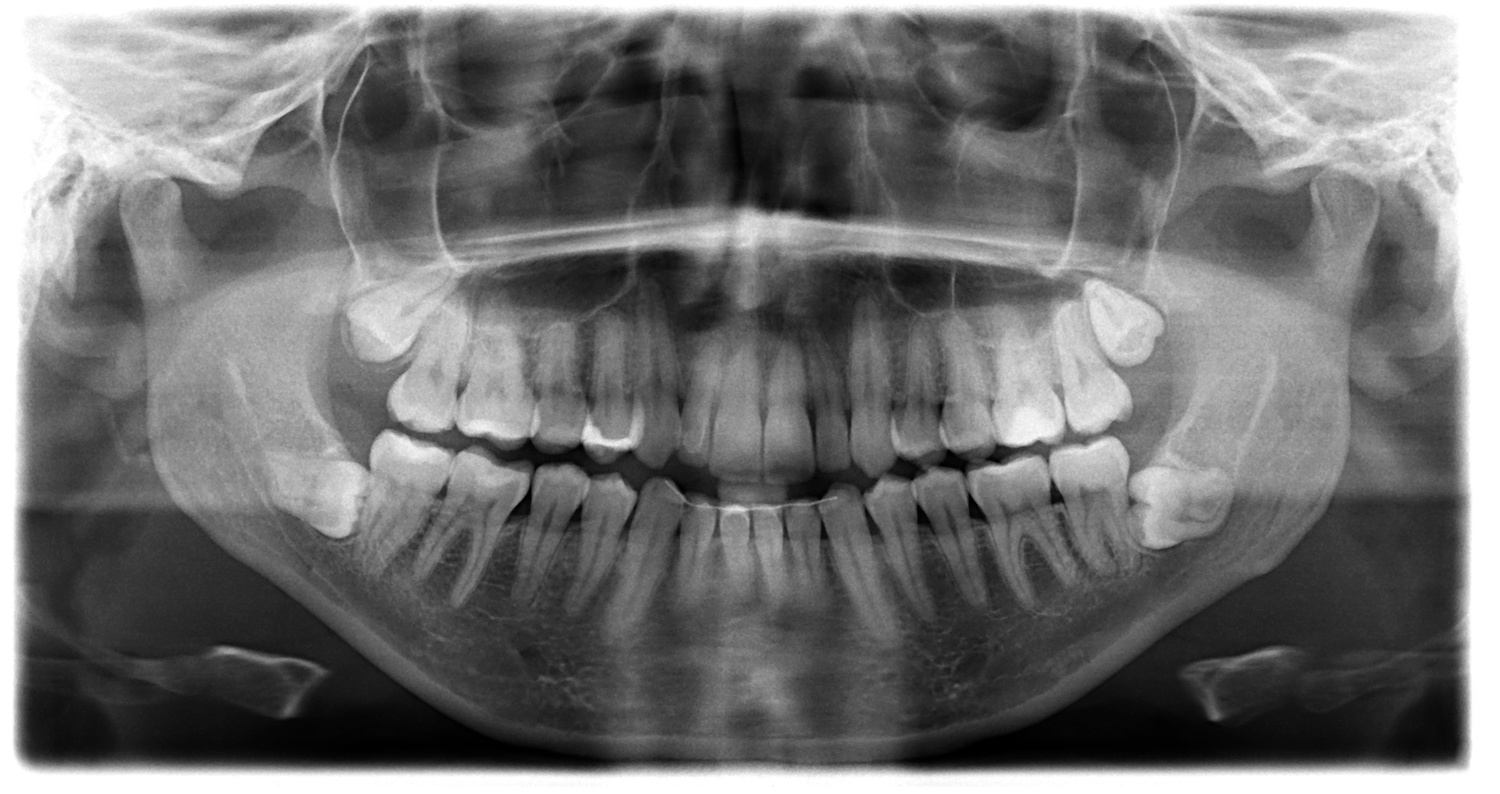
OPG (panoramic X-ray)
Shows the whole jaw and teeth. Useful for wisdom teeth, missing teeth planning, growth assessment in kids, and broader jaw issues.
Sometimes additional imaging is recommended depending on the question, but it should be explained.
How often do you need X-rays?
It depends on your risk factors, not a fixed schedule.
Higher risk:
- frequent decay history
- dry mouth
- lots of old fillings
- gum disease
- orthodontic issues
- poor access areas (crowded teeth)
Lower risk:
- stable mouth, excellent hygiene, low decay history
A sensible clinic tailors frequency to risk and documents why imaging is needed.
X- rays for kids: do they need them?
Sometimes. Kids can get decay between teeth with no obvious signs. When X-rays are recommended, it’s typically to:
- detect hidden decay early
- avoid larger fillings later
- plan orthodontic timing when relevant Again, it should be based on clinical need.
What patients often misunderstand
- “No pain means no problems” is false
- “You can see everything without X-rays” is false
- “X-rays are done for profit” is not a fair assumption in a well-run clinic; the standard is clinical justification
A transparent clinic should tell you:
- what we’re looking for
- what type of X-ray we need
- what the result will change
Frequently Asked Questions
Can I refuse X-rays?
Are X-rays safe in pregnancy?
Why do I need bitewings if I had an OPG?
