
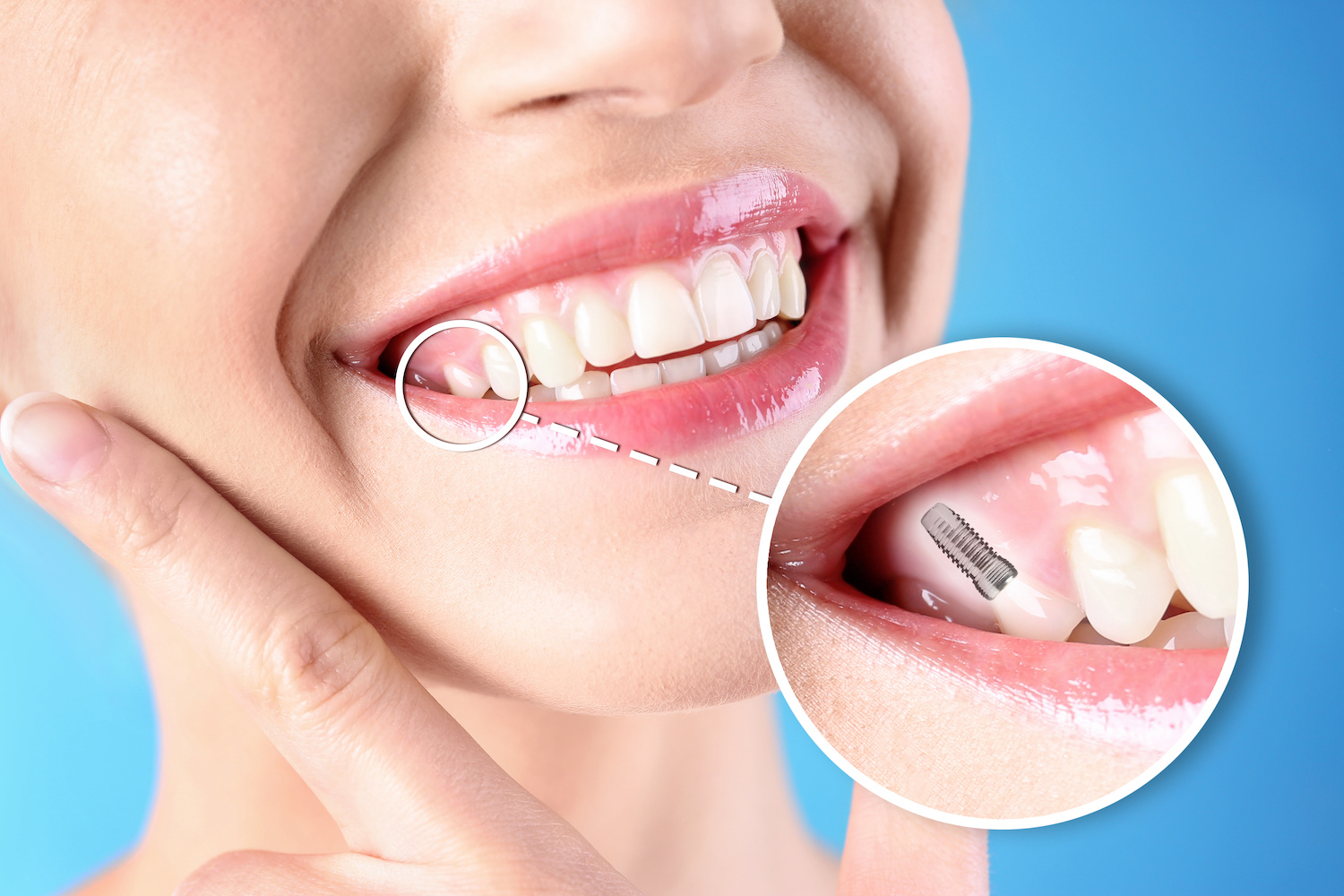
This article is a patient-friendly guide to what a dental implant is, what the process generally involves, and who implants tend to suit best.
Key takeaways
- A dental implant is a titanium (or similar) fixture that replaces a tooth root, with a crown placed on top.
- Implants can replace one tooth, multiple teeth, or support full-arch solutions in suitable cases.
- Not everyone is an ideal Bone, gum health, medical factors, and habits matter.
- Implants need They’re strong, but they aren’t “set and forget.”
What is a dental implant?
A dental implant is a small, screw-shaped fixture placed into the jawbone to act like an artificial tooth root. Once the implant has integrated with the bone, it can support a crown (a replacement tooth) or, in some cases, a bridge or denture.
In simple terms, an implant replaces the root, and the crown replaces the tooth you see.
Why people choose implants
People often choose implants because they:
- feel more like a natural tooth compared to removable options
- don’t rely on neighbouring teeth the way a traditional bridge can
- can be an excellent long-term option when planned and maintained properly
That said, implants are not the best option for everyone, and they do require good hygiene and regular reviews.
Who suits dental implants?
Implants tend to suit people who:
- are missing one or more teeth and want a fixed solution
- have healthy gums or are willing to stabilise gum disease first
- have enough bone volume, or are suitable for bone augmentation
- can maintain daily cleaning around the implant
- understand that maintenance visits are part of long-term success
Factors that can reduce implant success
Some factors can increase the risk of complications. That doesn’t always mean “no implants,” but it does mean planning needs to be careful and expectations need to be realistic.
Common risk factors include:
- smoking or vaping
- uncontrolled diabetes
- active gum disease
- poor oral hygiene
- heavy grinding/clenching
- certain medications or medical conditions
A good implant consult is as much about screening and risk reduction as it is about surgery.
What does the implant process involve?
Every case is different, but a typical pathway looks like this:
1) Assessment and planning
This includes an examination, reviewing your bite, gum health, and the missing tooth site. Imaging may be recommended to assess bone volume and important anatomical structures. Planning is where most implant success is won or lost.
2) Implant placement
The implant is placed into the bone under appropriate anaesthetic. Some cases are straightforward. Others may require additional steps such as bone grafting.
3) Healing and integration
The implant needs time to integrate with bone. During this period, a temporary tooth option may be used depending on the area and your needs.
4) Final restoration
Once healed, the final crown (or other restoration) is made and fitted. The bite and contact points are adjusted so the implant is loaded appropriately.
What does it feel like?
Most people describe implant placement as manageable, similar to other dental procedures done with proper anaesthetic. Post-operative discomfort varies depending on complexity, and your dentist should give you realistic expectations and aftercare instructions.
Are implants “permanent”?
Implants can last a long time, but they’re not a magic solution. Complications can occur, particularly if plaque builds up around the implant or if risk factors are unmanaged. This is why ongoing maintenance matters.
Implants require:
- daily cleaning (often with specific tools)
- regular professional reviews
- gum health monitoring around the implant
- management of grinding forces where relevant
What are the main reasons implants fail?
It’s important to be honest about failure modes. Implant complications can include:
- failure to integrate early (early implant failure)
- infection or inflammation around the implant later (peri-implant disease)
- mechanical issues such as screw loosening or chipping of the crown
- overload from grinding or bite imbalance
Good planning and maintenance reduce risk, but no procedure is zero-risk.
Is an implant better than a bridge?
Do implants hurt?
How long does treatment take?
