
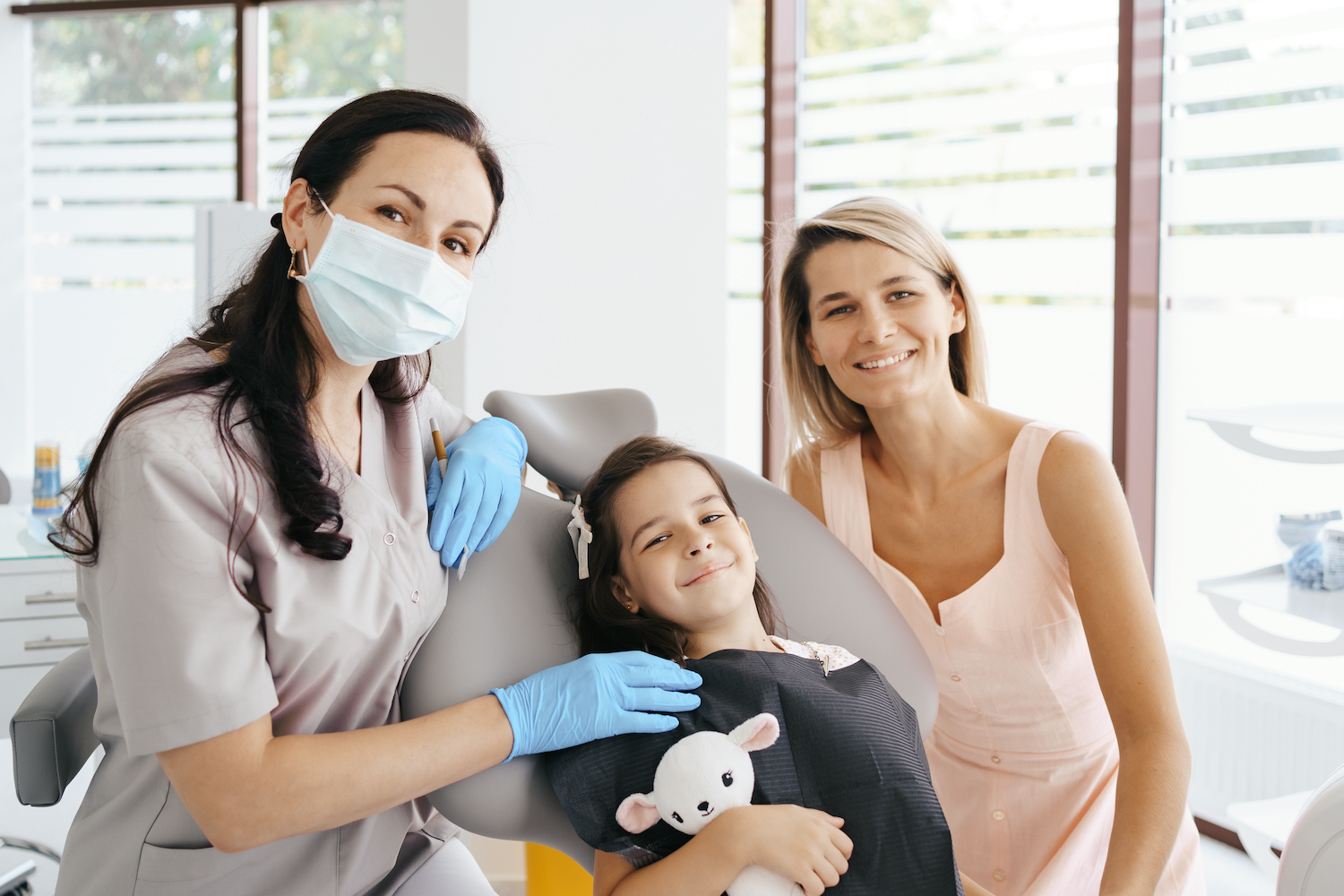
When should my child first see a dentist?
Most parents were raised with the idea that kids only need a dentist once they have “all their teeth” or when something hurts. That approach misses the point. The best kids dentistry is boring, early, and preventive.
A good rule of thumb is when the first teeth appear, or by age one. If that feels too early, the next best answer is now, especially if your child is already 2–6 years old and hasn’t had a check yet.
If you’re in Winmalee or the Blue Mountains, early visits also save you the drama of last- minute emergencies during school terms.
Why early visits matter (it’s not about drilling)
Early visits are about:
- Preventing cavities, not treating them
- Checking tooth eruption and jaw development
- Spotting early decay signs (often painless)
- Coaching parents on brushing, fluoride, and snacks
- Building confidence so the first “real” visit isn’t scary
Kids who start early generally do better long-term because the dentist becomes normal, not a place you only go when something hurts.
What happens at a child’s first appointment?
A first kids visit should feel simple and safe. Most often, we:
- Say hello and let your child settle (no rushing)
- Count teeth and check gums
- Check for early decay, plaque build-up, and bite development
- Talk through brushing and diet in practical terms
- Do a gentle polish if appropriate
- Finish with a “win” so your child leaves feeling proud
If your child is nervous or wriggly, that’s normal. The goal is not perfection. The goal is trust.
What if my child won’t cooperate?
Some kids are confident. Others are shy, sensory-sensitive, or have had a rough medical experience. It’s fine.
What helps:
- Book a time when your child is typically well-rested
- Keep it casual: call it a “teeth check” not “treatment”
- Avoid bribing with lollies afterwards (it backfires)
- Let your child watch you get checked first (if practical)
- Tell the team ahead of time if your child is anxious
If your child is too distressed, we don’t force it. We adjust the plan, shorten the appointment, and build up gradually.
Brushing: the real-life version that works
Here’s the truth: most kids can’t brush properly for years. Dexterity develops slowly.
Practical guidelines:
- Parent brushes until at least 7–8 (often longer)
- Brush twice a day and make night brushing non-negotiable
- Use a small soft brush, angle toward the gumline
- Keep it short and consistent, not perfect and rare
Fluoride toothpaste: how much?
This depends on age and risk. In general:
- Smear/rice grain amount for very young children
- Pea-sized amount as they get older (and can spit reliably)
If your child is high risk for cavities, we may recommend additional preventive fluoride strategies.
The biggest cavity driver is frequency, not “how much sugar”
Cavities are less about the single big treat and more about grazing and frequent sipping.
High-risk patterns:
- Juice or flavoured milk through the day
- Snacking every hour
- Bedtime bottles or nursing with teeth uncleaned afterwards
- Sticky snacks that linger on teeth
The simple fix: keep sweet treats mostly with meals, choose water between meals, and protect the nighttime routine.
Signs your child should be seen sooner
Book sooner if you notice:
- White chalky spots near the gums (early decay)
- Brown marks or holes
- Pain when eating or brushing
- Swollen gums around a tooth
- Persistent bad breath
- A tooth that looks chipped or cracked
- A fall that hit the mouth (even if it “looks fine”)
Frequently Asked Questions
At what age should my child first see a dentist?
Do baby teeth really matter?
Will my child need X-rays?
What snacks are best for teeth?
My child hates brushing. What do I do?
