
This guide isn’t about banning chocolate or making parents feel guilty. It’s about simple, realistic habits that protect teeth while letting kids enjoy Easter.
Key takeaways
- Sugar frequency matters more than the total
- Keep treats with meals rather than constant
- Water is your best friend between
- Night brushing is non-negotiable during Easter
Why Easter treats are harder on teeth
When kids snack on sugary foods all day, teeth stay in an acidic environment for longer. That acid softens enamel, which increases cavity risk. It’s not just chocolate. Sticky lollies, marshmallows, dried fruit snacks, and even crackers can contribute when they’re eaten frequently and left on teeth.
The “timing rule” that makes the biggest difference
If you do only one thing this Easter, do this: keep treats mostly at meal times.
Having chocolate after a meal is generally kinder to teeth than having it every hour, because meals usually trigger more saliva flow and there’s a natural “reset” afterwards. Constant grazing keeps teeth under attack.
A practical way to run it:
- Choose one or two treat times per
- Keep the rest of the day treat-
- Put the Easter stash out of sight between treat
Best and worst Easter treats for teeth
You don’t need to be perfect, but it helps to know what causes more trouble. Treats that are usually easier on teeth (in moderation):
- plain chocolate
- chocolate eaten with a meal
- treats that don’t stick around for long Treats that are tougher on teeth:
- sticky lollies and gummies
- caramel and toffees
- marshmallows
- “slow dissolving” sweets
- frequent sipping of juice or soft drinks
If your child loves gummies, keep them to a single treat time and rinse with water afterwards.
What to do right after treats
You don’t need to brush right after every chocolate egg. That becomes exhausting. Instead:
- Give water after
- If possible, have treats close to meal
- Keep brushing and interdental cleaning consistent at
If your child has braces or crowded teeth, a quick rinse and water is even more useful because food gets stuck more easily.
The Easter week brushing plan (simple and doable)
Easter week is not the week to “let the routine slide.” Aim for:
- Brush morning and
- Night brushing is the
- Use fluoride toothpaste and a soft
- Parents help with brushing if kids don’t have the dexterity
If your child argues at night, keep it short and consistent rather than long and stressful. The goal is to get fluoride on teeth and remove plaque.
What about babies and toddlers?
For toddlers, the biggest cavity drivers are frequent sugary snacks, juice, and bedtime milk with teeth uncleaned afterwards. Easter often increases all three.
Simple rules:
- Keep water as the default
- Avoid “sipping juice all day”.
- Brush before bed even if they’re
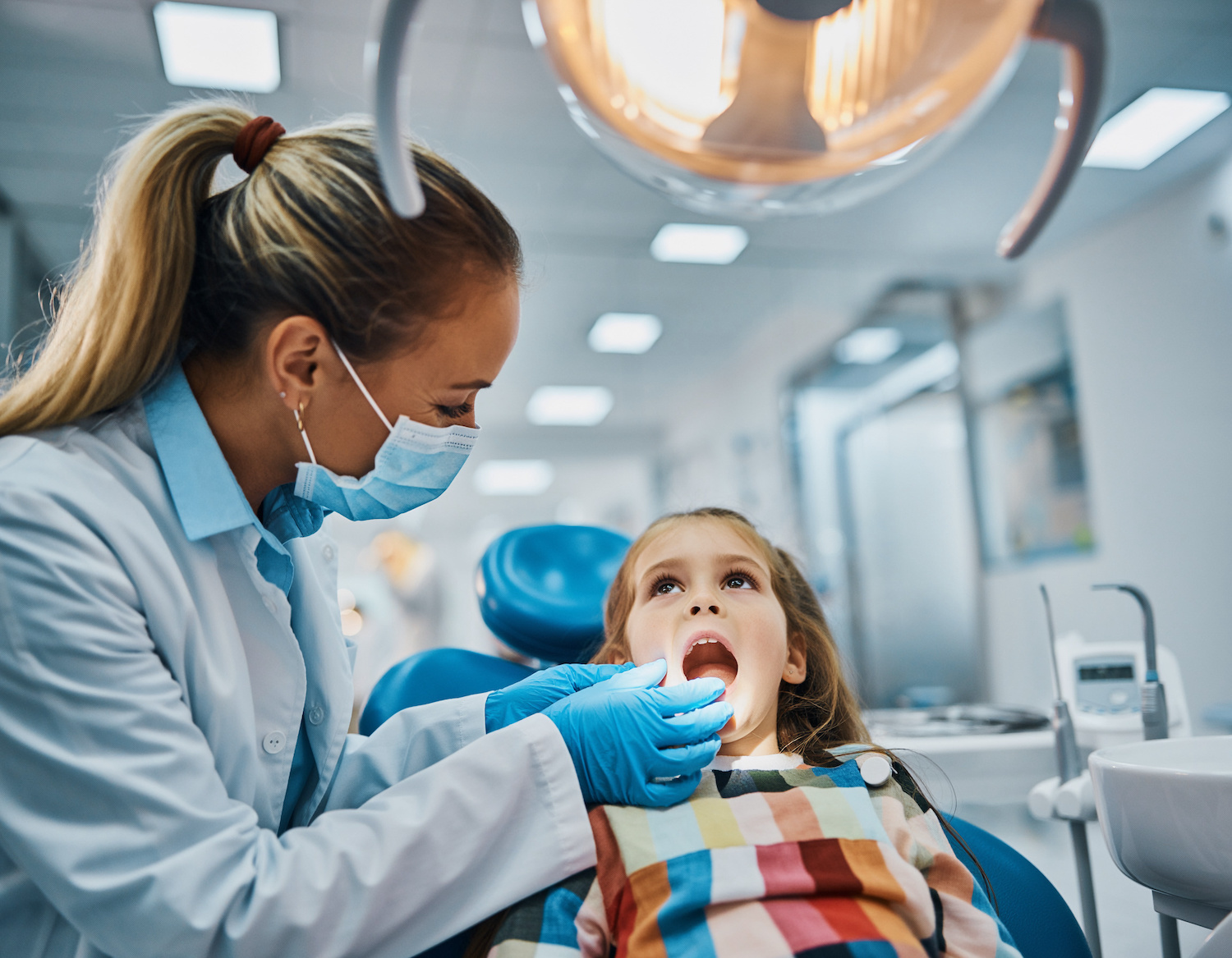
Signs you should book a kids dental visit
If you see white chalky patches, brown marks, holes, complaints of pain, or persistent bad breath, it’s worth checking sooner. Cavities in kids can progress quickly.
Is chocolate better than lollies for teeth?
Should kids brush straight after eating sweets?
What if relatives keep giving gifts?
